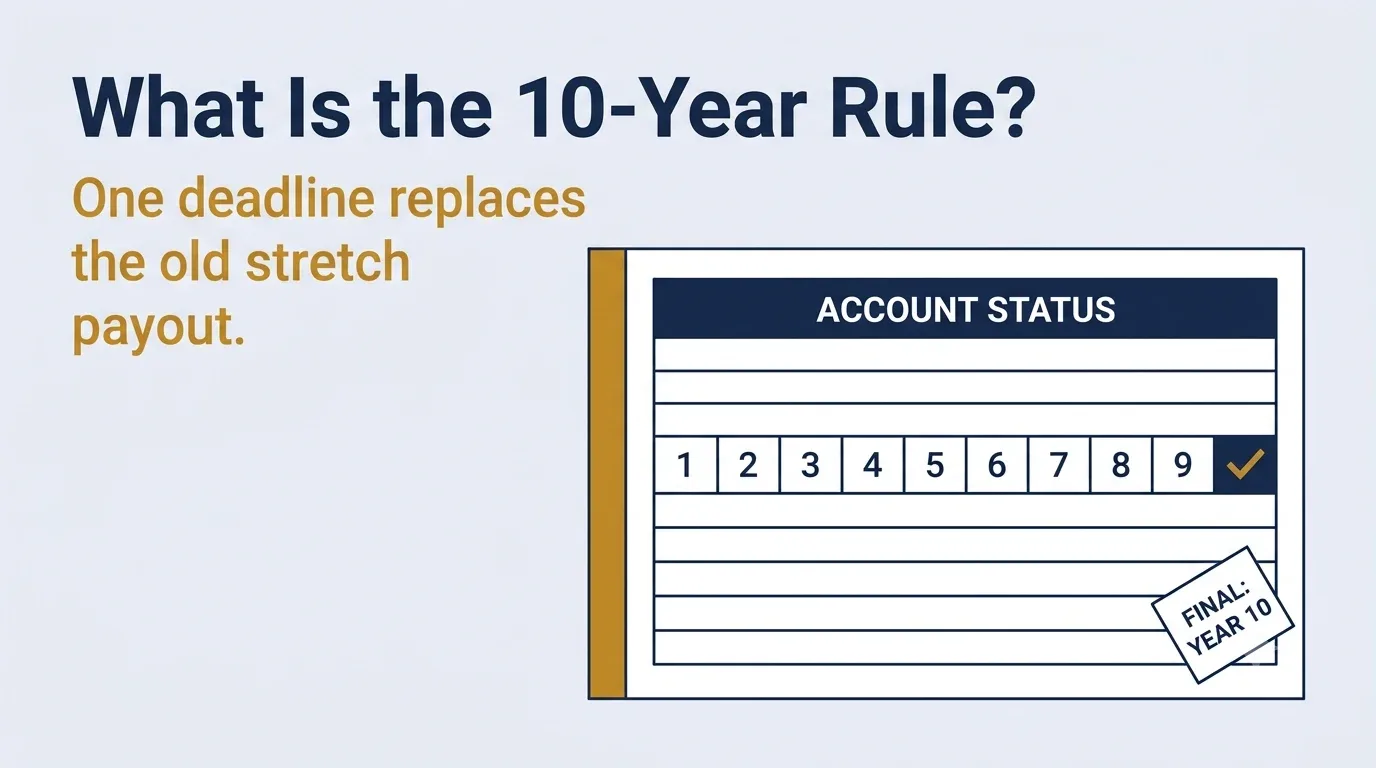
Inherited IRA 10-Year Rule: The Practical Starting Point
How the 10-year deadline works for most non-spouse beneficiaries, and the two questions that determine whether annual RMDs may also be required.
↗Inherited retirement accounts, clearly explained
Ten years can sound simple. The rules underneath are not.
We explain the non-spouse inherited IRA and 401(k) distribution rules using IRS and Treasury primary sources—without pretending one withdrawal schedule fits everyone.
How the 10-year deadline works for most non-spouse beneficiaries, and the two questions that determine whether annual RMDs may also be required.
↗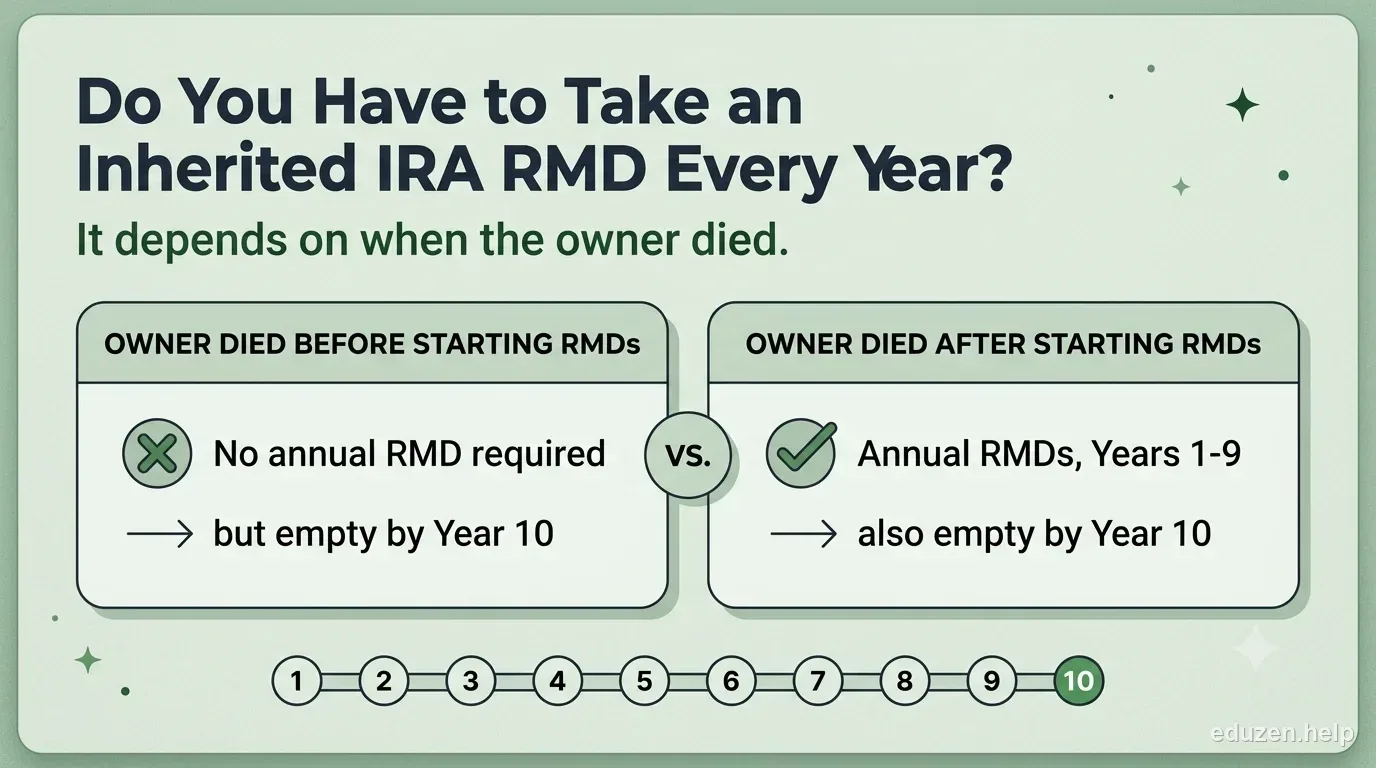
The annual-RMD question depends on whether the deceased owner died before or after the required beginning date.
↗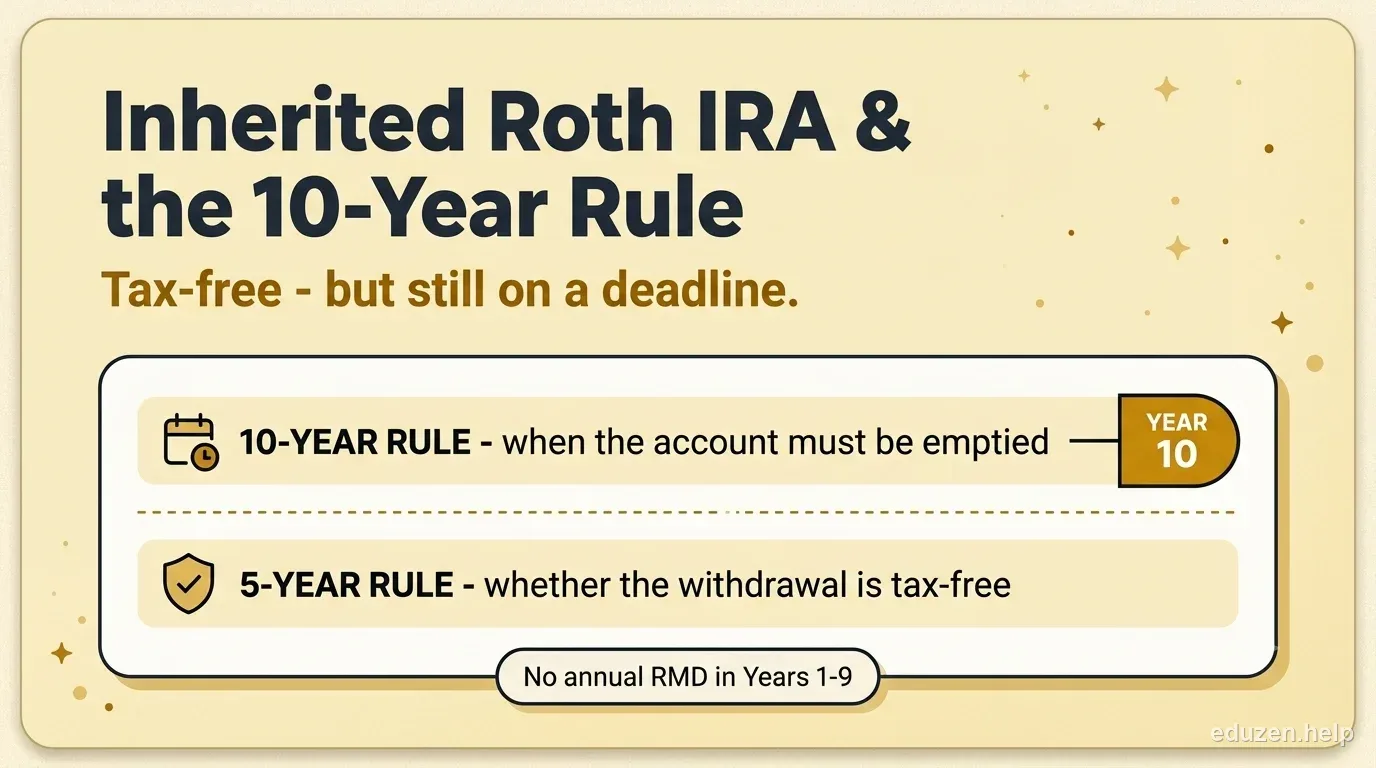
How the Roth 10-year distribution deadline differs from the owner’s five-tax-year qualification period, including earnings, Form 8606, and death-related tax treatment.
↗What to figure out first
Spouse, eligible designated beneficiary, ordinary designated beneficiary, trust, or estate.
Post-2019 deaths can fall under the SECURE Act framework.
This is the key distinction for annual distributions inside the 10-year period.
Traditional IRA, Roth IRA, and employer plans can have different tax and operational rules.
The visual rule
The deadline is the end of the tenth calendar year after the year of death. Annual RMDs are a separate question.
“The cleanest inherited-IRA decisions start with classification, not with a withdrawal amount.”
Rule snapshot
More to read
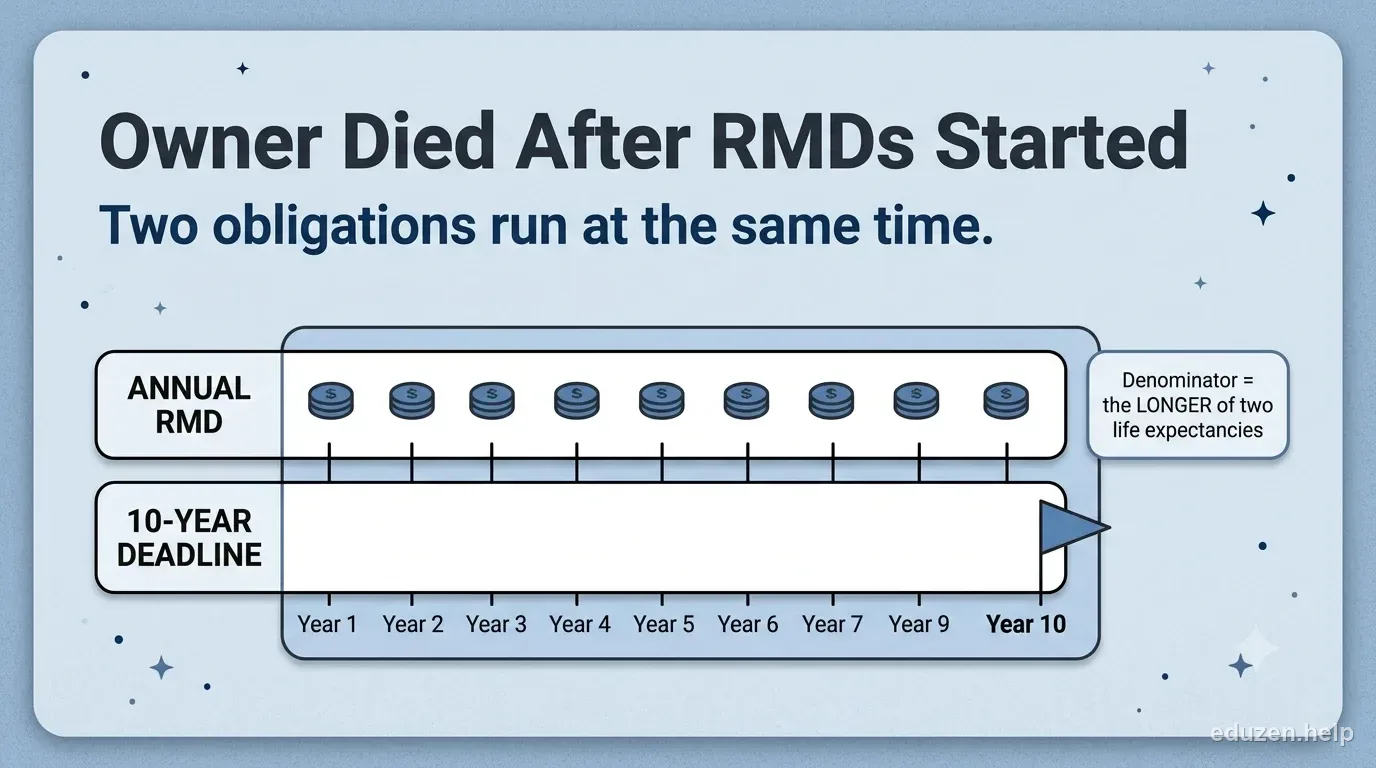
How the annual beneficiary RMD is calculated under the longer-of life-expectancy rule while the separate 10-year deadline still runs.
↗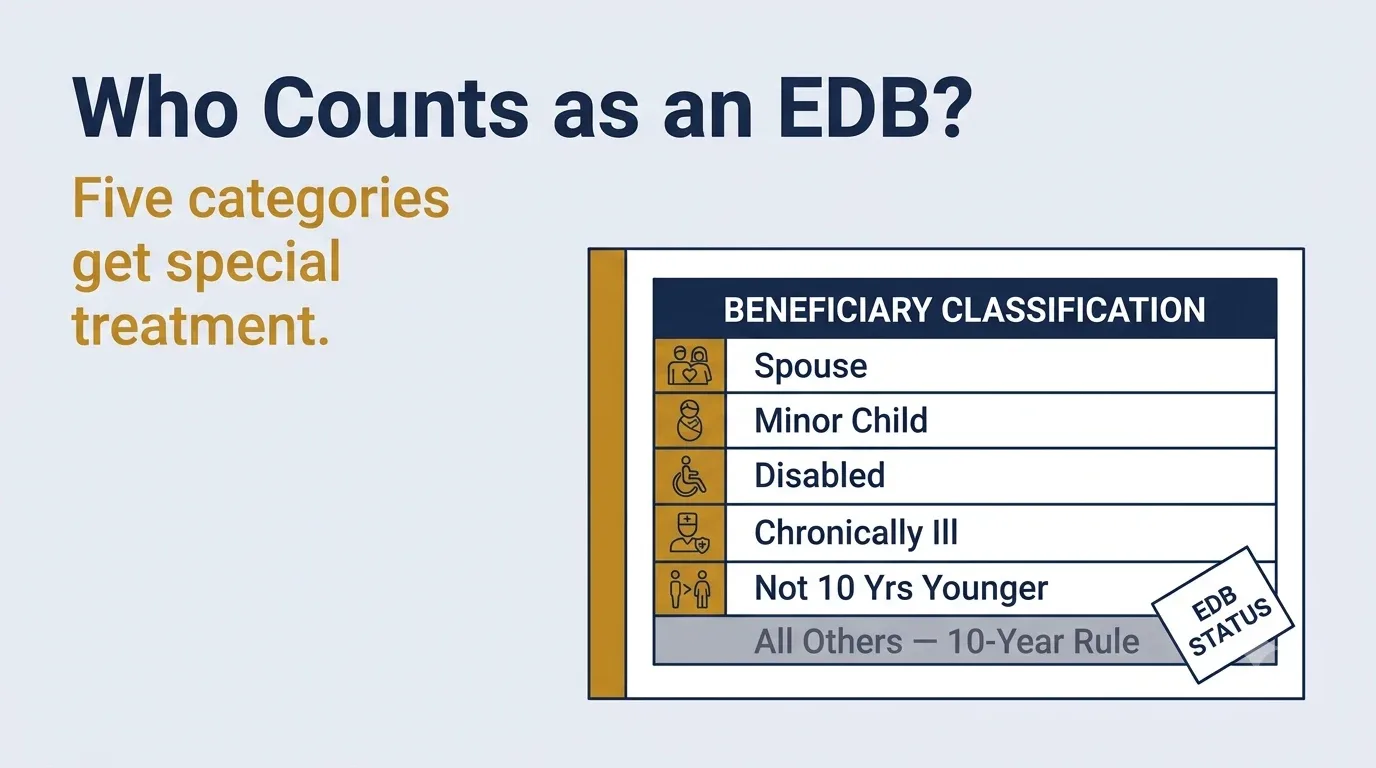
The five EDB categories, the age-21 rule for a deceased owner’s child, and the disability, chronic-illness, and documentation details that change the RMD path.
↗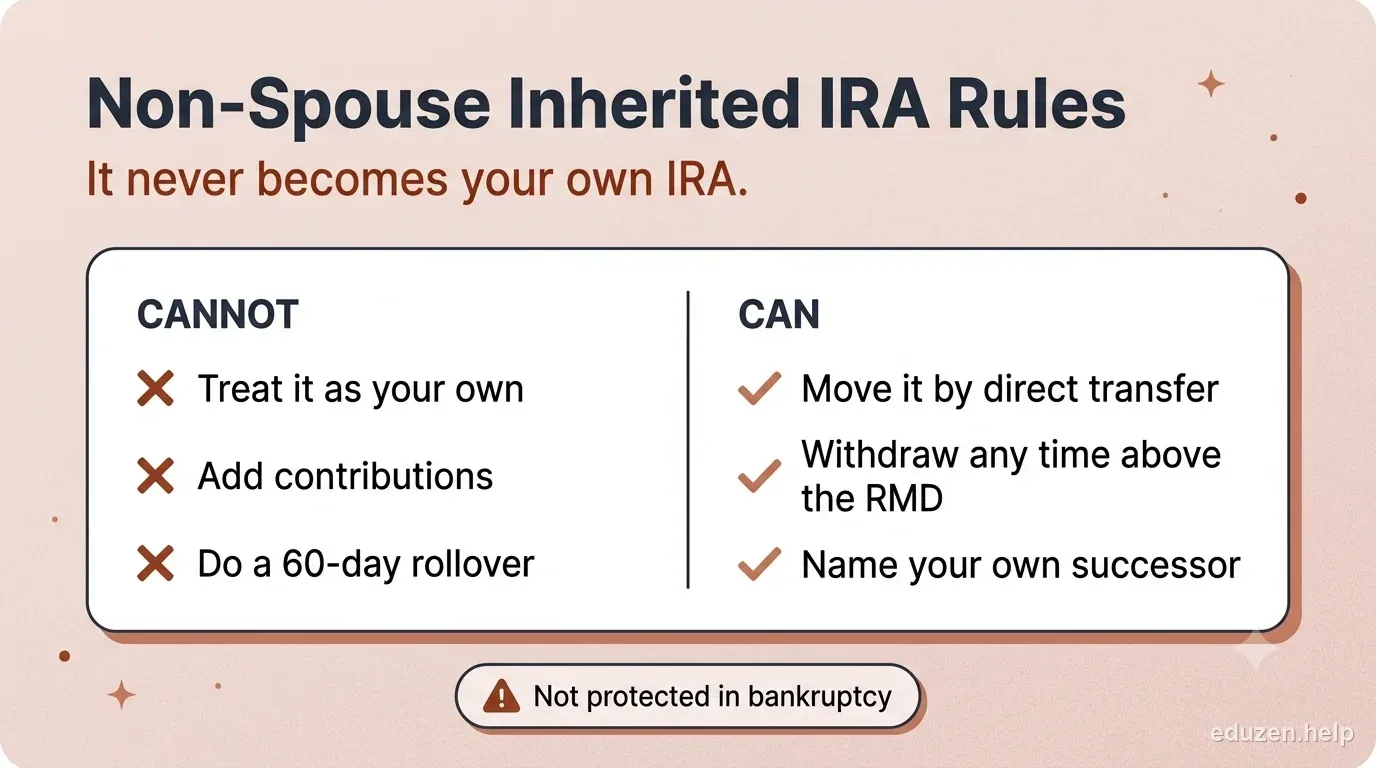
Key operational differences for someone inheriting an IRA from a parent, sibling, friend, or other non-spouse owner.
↗How the Roth 10-year distribution deadline differs from the owner’s five-tax-year qualification period, including earnings, Form 8606, and death-related tax treatment.
↗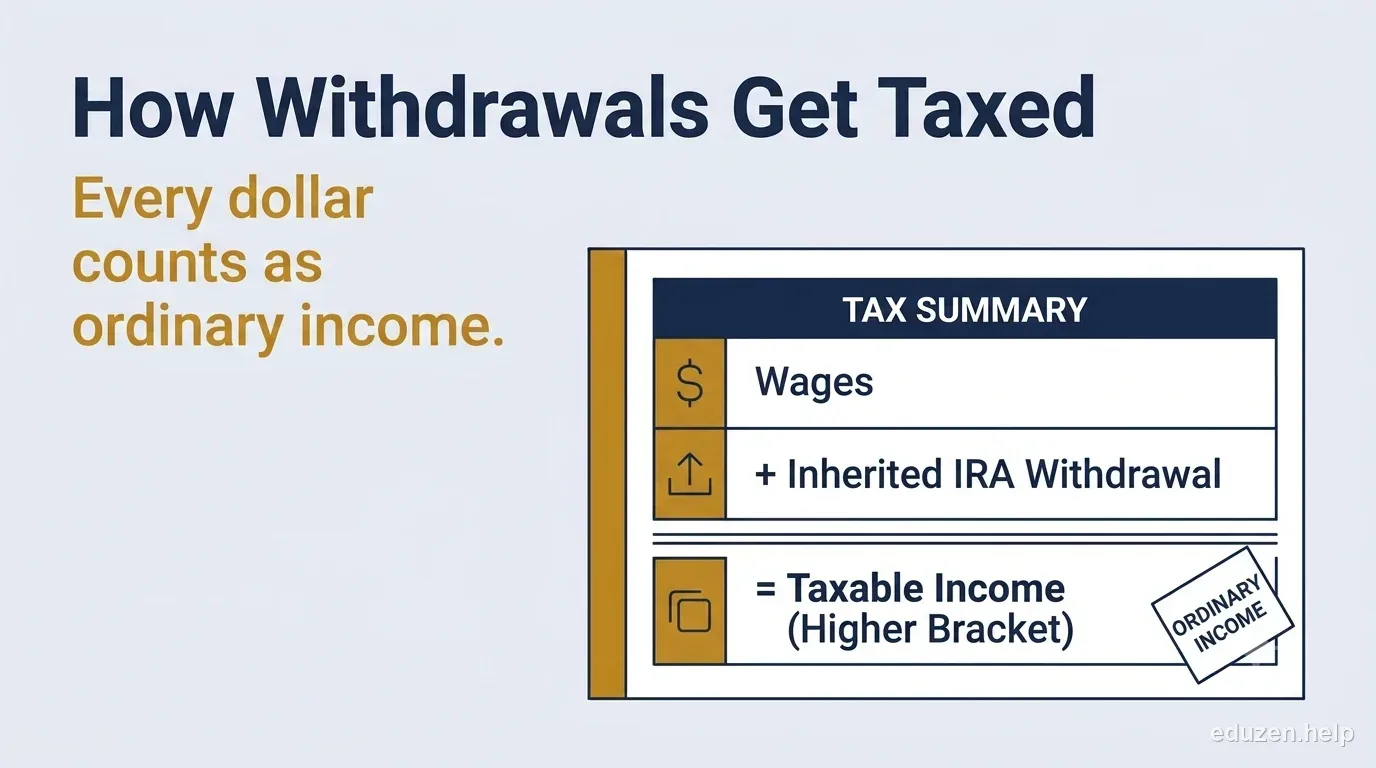
How taxable income, inherited nondeductible basis, Form 8606, and separate decedent-by-decedent basis records work for a traditional inherited IRA.
↗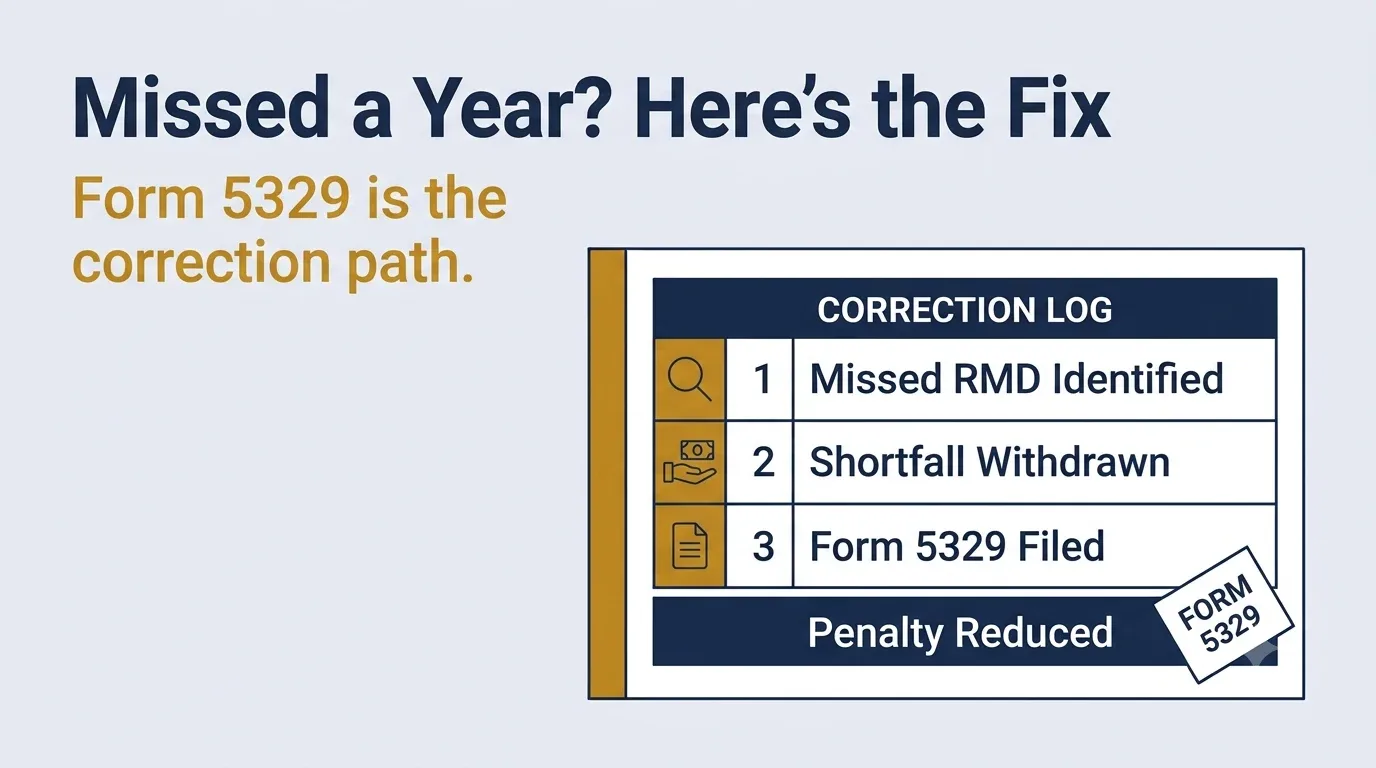
A process-oriented explanation of the excise tax, correction window, and reasonable-cause waiver procedure.
↗